Handmade Font: Elevate Your Brand Visuals
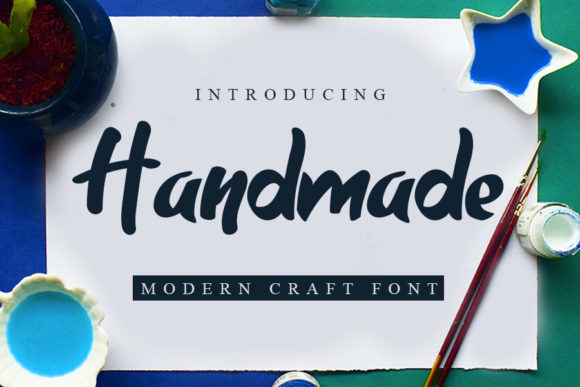
It was a Tuesday afternoon, and I was staring at a stack of plain white boxes that were supposed to hold my latest batch of artisanal soaps. The soap smelled incredible—lavender and oat milk—but the packaging felt cold. It didn’t tell the story of the hours I spent mixing, pouring, and curing each bar. I realized then that my brand identity wasn’t just about the product inside; it was about the feeling customers got when they first saw it. I needed something warm, personal, and undeniably human. That is when I discovered Handmade, a cute and casual handwritten font from Script Amp that completely changed how I present my business to the world.
Choosing the right typeface is often one of the most overlooked steps in building a small business. We spend hours on logo colors and product photography, yet we slap on a default system font for our labels. Typography is the voice of your visual brand. When I switched to Handmade, the difference was immediate. This isn’t just another digital script; it captures the genuine imperfection and charm of actual handwriting. It features cute ligatures that make this script incredibly versatile, allowing letters to flow into one another naturally, just as they would if I had picked up a pen myself.
From Generic to Genuine: A Packaging Transformation
Before finding this font, my product labels looked like they came from a template factory. They were legible, sure, but they lacked soul. I wanted my packaging design to reflect the care I put into every item. Whether you are running a bakery updating its pastry boxes, a candle seller redesigning jar labels, or a beauty brand improving its social media visuals, the typography you choose sets the tone.
I started by using Handmade for the product names on my soap labels. The result was striking. The font’s casual nature made the brand feel approachable and friendly, while the elegant curves added a touch of sophistication. It struck that perfect balance between professional and personal. For anyone in the handmade or craft industry, this font acts as a bridge between the creator and the customer. It says, “A real person made this,” which is exactly what modern consumers are looking for.
Versatility Across Your Business Materials
One of the biggest advantages of adding a premium font like this to your design assets is its adaptability. I initially thought I would only use it for logos, but Handmade quickly became the backbone of my entire visual identity. Here is how I integrated it into various aspects of my business:
- Social Media Graphics: Instagram thrives on aesthetics. Using this font for quotes, sale announcements, and story highlights created a consistent look that followers began to recognize instantly.
- Thank-You Cards: Including a handwritten note is a great touch, but printing a consistent message with a handwritten-style font saves time while maintaining that personal feel.
- Menus and Flyers: If you run a café or a boutique, this font works beautifully for menu headers or special event flyers, adding a whimsical yet clear element to editorial design.
- Website Banners: On my online shop, I used it for hero text and promotional banners. It stands out against clean background images without overwhelming the viewer.
The key is consistency. When customers see the same distinctive script font on your Instagram, your packaging, and your website, it builds trust. It makes your brand memorable. In a crowded market, being recognizable is half the battle.
Readability and Practical Design Tips
While decorative fonts are beautiful, readability is paramount. You do not want your customers squinting to read a label on a small skincare bottle. Handmade is designed with clarity in mind, but there are best practices to follow. For small labels or mobile screens, keep the text short. Use this font for headlines, short phrases, or product titles rather than long paragraphs of body text.
I pair Handmade with a clean sans serif font for the ingredient lists and detailed descriptions. This contrast creates a modern typography style that is both eye-catching and easy to read. The script draws attention, while the sans serif provides the necessary information clearly. This font pairing technique is essential for effective web design and packaging design. It ensures that your creative font serves as an accent, enhancing the message rather than obscuring it.
Also, take advantage of the included ligatures. These special character combinations connect letters smoothly, eliminating awkward gaps and making the text look more fluid and natural. It is these small details that elevate a design from amateur to professional.
Licensing and Technical Considerations
Before you download any commercial font, always check the licensing terms. As a business owner, you need to ensure you have the right to use the font on products you sell, such as merchandise, physical packaging, and digital downloads. Script Amp provides clear guidelines, ensuring that you can use Handmade confidently in your commercial projects. Always verify the file formats included—typically OTF or TTF—to ensure compatibility with your design software, whether you are using Adobe Illustrator, Photoshop, or Canva.
Additionally, check for multilingual support if you plan to expand your reach internationally. A robust typeface should include various weights and alternates, giving you flexibility in your design process. While Handmade is primarily a display font, its versatility allows it to work in various contexts, from bold logos to subtle watermarks.
Investing in high-quality fonts is investing in your brand’s future. It is not just about making things look pretty; it is about communicating your values. When I use Handmade, I am communicating warmth, creativity, and attention to detail. It turns a simple transaction into an experience. For entrepreneurs, bloggers, and creators, finding a font that resonates with your brand’s personality is a game-changer. It transforms ordinary materials into extraordinary brand touchpoints.
If you are ready to refresh your brand identity, start with your typography. Look for a script that feels authentic to you. Let your fonts do the talking, and watch how your customers respond to the new, polished, and memorable face of your business.